How Often Should You Clean Your Home’s Exterior Surfaces? The Complete 2026 Guide
Reading time: 12 minutes
You’ve probably stood in your driveway at some point, squinting at a green-tinted wall or a roof streaked with dark stains, and thought: Should I have dealt with this sooner? The answer, almost certainly, is yes — but you’re far from alone. According to a 2025 HomeAdvisor survey, nearly 68% of American homeowners underestimate how frequently their exterior surfaces need professional or DIY cleaning, leading to premature deterioration that costs an average of $4,200 in avoidable repairs per household every five years.
Here’s the straight talk: cleaning your home’s exterior isn’t just a cosmetic exercise. It’s a maintenance strategy that directly protects your investment, your curb appeal, and in some cases, the health of the people living inside. Mold, algae, and oxidized paint don’t just look bad — they actively degrade surfaces over time.
This guide cuts through the noise and gives you a precise, surface-by-surface cleaning schedule backed by current data, expert insight, and practical scenarios you can actually use.
Table of Contents
- Why Exterior Cleaning Frequency Matters More Than You Think
- Surface-by-Surface Cleaning Schedule
- Factors That Affect How Often You Should Clean
- DIY vs. Professional Cleaning: Making the Right Call
- The Neglect Cost Chart: What Waiting Costs You
- Quick Comparison Table: Cleaning Frequency by Surface
- Frequently Asked Questions
- Your Exterior Maintenance Roadmap: Next Steps
Why Exterior Cleaning Frequency Matters More Than You Think
Most homeowners think about exterior cleaning the same way they think about dental checkups — something they know they should do but keep pushing back until something hurts. The problem with that approach? Exterior surfaces don’t send pain signals. They degrade quietly, and by the time you notice serious damage, you’re already looking at significant repair bills.
In 2026, with material and labor costs continuing to rise following several years of supply chain volatility, the financial stakes are higher than ever. The National Association of Realtors reported in early 2026 that homes with well-maintained exteriors sell for 7–14% more than comparable properties with visibly neglected surfaces. That’s not a minor footnote — on a $350,000 home, that’s potentially $49,000 in value sitting on your siding and driveway.
Beyond finances, consider this: the EPA’s 2025 Indoor Environmental Quality Report highlighted that exterior mold colonies — particularly on siding and window frames — are a leading pathway for spores to migrate indoors. In climates with high humidity (think the Gulf Coast, Pacific Northwest, or any urban area with poor drainage), this isn’t a hypothetical risk. It’s a documented pattern.
“Homeowners consistently undervalue preventive exterior maintenance. A pressure wash that costs $300 today prevents a $3,000 wood rot repair in two years. That math is simple, yet people still delay.” — James Caldwell, Certified Exterior Restoration Specialist, speaking at the 2025 National Home Maintenance Summit
The goal of this guide is to help you build a realistic, manageable cleaning calendar — not an overwhelming checklist that collects digital dust in your bookmarks.
Surface-by-Surface Cleaning Schedule
Different exterior surfaces have different vulnerabilities, different materials, and very different tolerances for neglect. Let’s break it down with the specificity that actually helps you plan.
Siding: Vinyl, Wood, Fiber Cement, and Stucco
Siding is your home’s largest exterior surface and its first line of defense against the elements. The right cleaning frequency depends heavily on the material:
- Vinyl siding: Clean once per year, ideally in spring. Vinyl is relatively forgiving, but algae and mildew can stain permanently if left for 18+ months. A low-pressure wash with a diluted bleach solution (1 part bleach to 10 parts water) is the industry standard approach.
- Wood siding: Clean every 1–2 years and inspect for paint peeling or soft spots annually. Wood is the most maintenance-intensive option. In humid climates, you may need to clean and reseal every year. In drier regions like the Southwest, every two years is workable.
- Fiber cement (e.g., James Hardie board): Clean once per year. Despite being one of the most durable modern siding materials, fiber cement still accumulates dirt, pollen, and biological growth. Use a soft brush and garden hose — high-pressure washing can damage the surface coating.
- Stucco: Clean every 2–3 years, but inspect annually for cracks. Stucco is porous, which means trapped moisture and organic growth can be particularly problematic. Efflorescence (white mineral deposits) is a common stucco issue that requires specialized treatment.
Quick Scenario: Imagine you live in Atlanta, Georgia — high humidity, warm summers, and pine trees nearby. Your vinyl siding has been installed for three years without a cleaning. By year two, you’d likely notice greenish streaking near the roofline and foundation level — the two zones where moisture tends to linger longest. A single annual cleaning with a soft-wash system could have prevented that entirely.
Roofing, Gutters, and Fascia
These surfaces are often invisible from street level, which is exactly why they’re neglected. Out of sight, out of mind — until you’re dealing with water damage inside your attic.
- Asphalt shingles: Treat for algae and moss every 2–3 years. The black streaks you see on roofs are typically Gloeocapsa magma, a cyanobacteria that feeds on limestone filler in shingles. Left untreated, it shortens shingle life by up to 10 years according to a 2024 Asphalt Roofing Manufacturers Association study. Avoid high-pressure washing — it dislodges granules and voids warranties.
- Tile roofing (clay or concrete): Clean every 3–5 years. More durable than asphalt, but moss and lichen can still take hold, especially in coastal areas.
- Gutters: Clean twice per year — once in late spring (after pollen and seed season) and once in late fall (after leaves have fully dropped). In areas with heavy tree canopy, quarterly cleaning may be necessary.
- Fascia and soffits: Wipe down annually as part of your gutter cleaning routine. These are prime spots for wasp nests, mildew, and peeling paint.
Driveways, Walkways, and Patios
Concrete and pavers take an enormous amount of abuse — vehicle traffic, oil drips, freeze-thaw cycles, and organic staining from leaves and berries. Yet many homeowners clean these surfaces only when they look visibly dirty, rather than on a preventive schedule.
- Concrete driveways and walkways: Pressure wash once per year. Seal concrete every 2–3 years to prevent water infiltration and freeze-thaw cracking. In colder climates, late fall sealing is strategic — it protects against winter ice and salt damage.
- Pavers (brick, natural stone, or concrete): Clean annually and re-sand joints every 3–4 years. Weed growth in paver joints is not just an aesthetic problem — it can destabilize the paver field over time.
- Wood and composite decking: Clean every 1–2 years. Wood decks should be cleaned and resealed or restained every 1–3 years depending on sun exposure and foot traffic. Composite decking requires less maintenance but still needs an annual wash to prevent mold growth in shaded areas.
Factors That Affect How Often You Should Clean
The schedules above are solid baselines, but your specific circumstances can push those timelines significantly in either direction. Here are the four biggest variables to account for:
Geographic Climate and Environment
Climate is arguably the single biggest modifier of any exterior cleaning schedule. Consider these contrasts:
- High-humidity coastal areas (Florida, Louisiana, the Carolinas): Mold, algae, and salt spray accelerate degradation dramatically. Expect to clean siding and decking 50–100% more frequently than average recommendations.
- Arid climates (Arizona, Nevada, New Mexico): Dust accumulation is the primary concern rather than biological growth. Surfaces stay cleaner biologically but may need rinsing more frequently during dust storm seasons.
- Cold northern climates (Minnesota, Michigan, Maine): Freeze-thaw cycles are the dominant threat. Cleaning in late fall before winter freeze is critical for preventing water infiltration that expands in cracks.
- Pacific Northwest: The combination of heavy rainfall and mild temperatures creates ideal conditions for moss, lichen, and algae growth year-round. Roofs and north-facing siding often need annual treatment.
Tree Coverage and Landscaping
Homes surrounded by mature trees are beautiful — and significantly harder to maintain. Leaf debris, sap, pollen, seed pods, and bird activity all accelerate surface contamination. If your home sits under a heavy tree canopy, add 30–50% more frequency to your baseline cleaning schedule for gutters, siding, and hardscaping.
Surface Age and Condition
Older surfaces are more porous and more vulnerable. A 20-year-old concrete driveway with surface spalling absorbs stains and biological growth much faster than a freshly sealed 5-year-old surface. Adjust your schedule accordingly — and don’t forget that cleaning older surfaces sometimes reveals damage that needs addressing before the next cleaning cycle.
Traffic and Use Patterns
High foot traffic areas, frequently used driveways, and heavily used outdoor entertaining spaces accumulate grime faster. A patio that hosts weekly gatherings needs more cleaning attention than one that’s rarely used.
DIY vs. Professional Cleaning: Making the Right Call
This is where many homeowners either overspend unnecessarily or underinvest and damage their surfaces. Here’s how to think about the decision strategically.
DIY is appropriate when:
- You’re cleaning flat, accessible surfaces like driveways or ground-level siding
- You have the right equipment (a quality electric pressure washer for most surfaces, or a soft-wash setup for delicate ones)
- The cleaning is maintenance-level, not remediation-level (i.e., you’re not dealing with severe algae, lichen, or deep staining)
Professional cleaning is worth the investment when:
- You’re dealing with roof cleaning — improper technique damages shingles and can void warranties
- You have two-story or higher siding to clean (fall risk is significant)
- You’re dealing with established lichen or heavy moss, which requires chemical treatment and dwell time
- You want soft-wash treatment for stucco or painted surfaces
In 2026, the average cost of professional exterior house washing ranges from $250–$600 for a standard single-family home, while roof soft-washing typically runs $400–$900 depending on size and pitch. When you compare those figures against the cost of replacing siding ($8,000–$15,000), repairing water-damaged fascia ($500–$2,000), or resurfacing a driveway ($3,000–$7,000), the math strongly favors consistent preventive cleaning.
Case Study — The Williams Family, Charlotte, NC: After purchasing a 15-year-old home in 2023, the Williams family skipped exterior cleaning for their first two years of ownership, assuming the home “looked fine.” In the fall of 2025, a home inspector noted that the north-facing wood siding had developed significant moisture damage behind accumulated mold growth, requiring $6,800 in repair and replacement. A $400 annual soft-wash service over those two years would have caught and prevented the issue entirely.
The Neglect Cost Chart: What Waiting Costs You
The following visualization shows the estimated additional repair cost incurred (beyond normal cleaning costs) when exterior surfaces are left uncleaned beyond their recommended intervals. Data sourced from 2025 HomeAdvisor cost aggregation data and National Association of Home Builders maintenance benchmarks.
Average Additional Repair Cost from Neglect (Per Surface Over 5 Years)
Source: HomeAdvisor 2025 Cost Data + NAHB Maintenance Benchmarks. Values represent median additional repair costs attributable to deferred cleaning.
Quick Comparison Table: Cleaning Frequency by Surface
| Surface Type | Recommended Frequency | Primary Threat | DIY Friendly? | Avg. Professional Cost (2026) |
|---|---|---|---|---|
| Vinyl Siding | Once per year | Algae, mildew | Yes (1 story) | $250–$450 |
| Asphalt Roof | Every 2–3 years | Algae, moss, lichen | Not recommended | $400–$900 |
| Concrete Driveway | Once per year | Oil stains, freeze-thaw cracking | Yes | $100–$250 |
| Gutters | Twice per year | Clogs, overflow, fascia rot | Yes (with safety setup) | $150–$400 |
| Wood Decking | Every 1–2 years | Mold, UV degradation, rot | Yes | $200–$500 |
Frequently Asked Questions
Can I pressure wash all exterior surfaces safely?
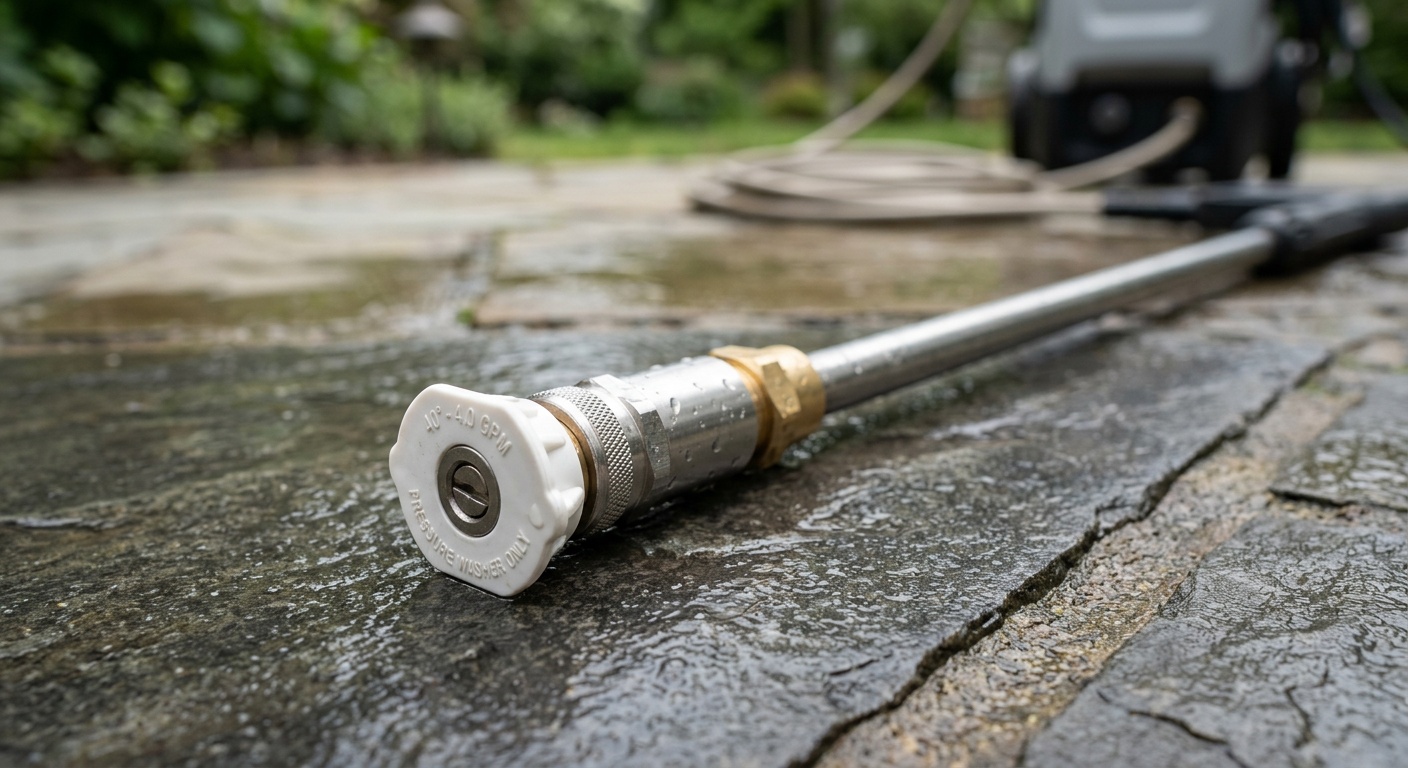
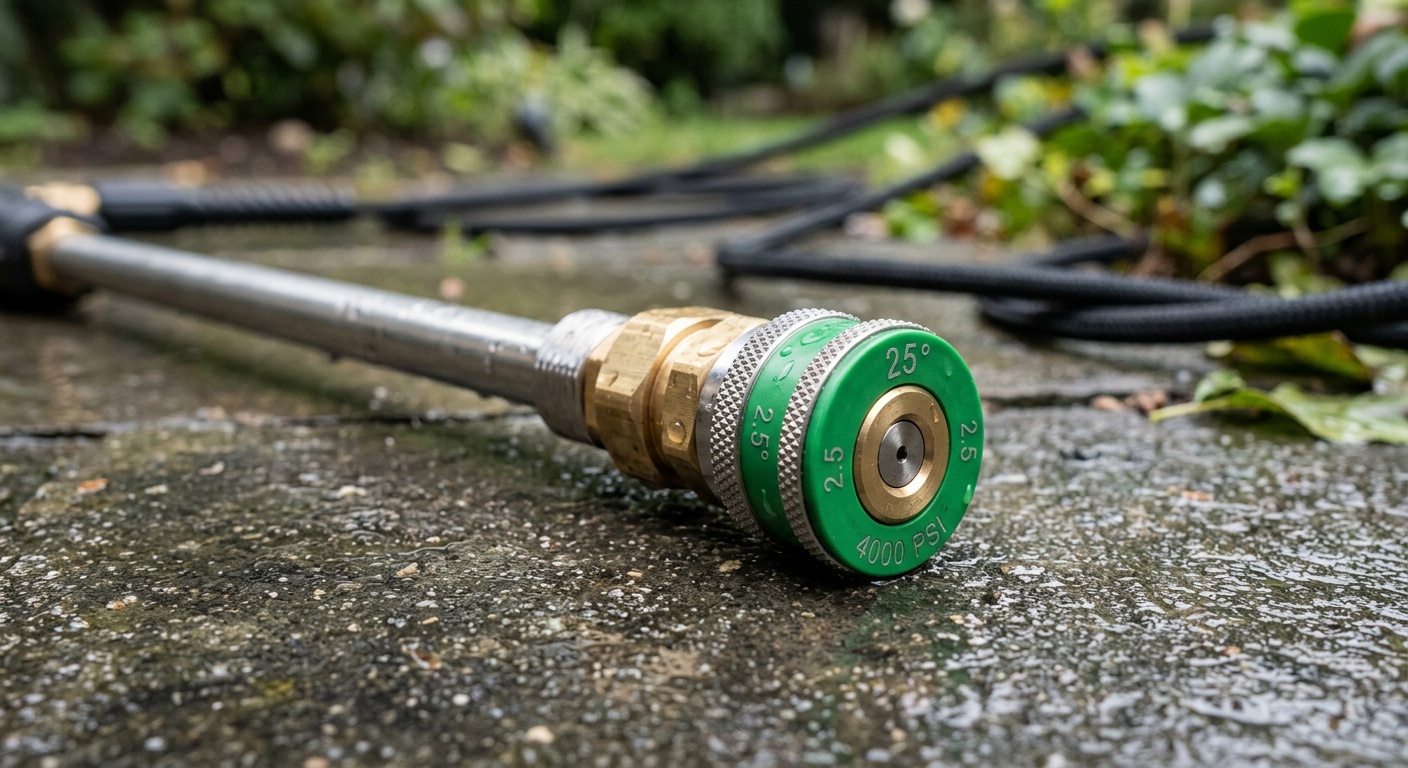
Not all surfaces tolerate high-pressure washing equally. Concrete driveways and pavers generally handle pressure washing well at 2,000–3,000 PSI. However, wood siding, stucco, painted surfaces, and asphalt shingles can be seriously damaged by high pressure. For these surfaces, soft-washing — which uses lower water pressure combined with cleaning solutions — is the recommended approach. Always start at the lowest effective pressure and test an inconspicuous area first. If you’re uncertain, hire a professional who offers both pressure and soft-wash options and can assess your specific surface needs on-site.
What’s the best time of year to clean your home’s exterior?
Spring is ideal for most exterior cleaning tasks. After winter, surfaces have accumulated salt, grime, and biological growth, and the moderate temperatures and lower humidity of spring make cleaning solutions more effective. Cleaning in spring also gives you time to spot and address any damage caused by winter before it worsens through summer heat and humidity. Fall is the second most strategic season — cleaning gutters and treating surfaces before winter freeze prevents water infiltration and ice damage. Avoid cleaning in freezing temperatures, as residual moisture can cause surface damage and make cleaning solutions ineffective.
How do I know if my exterior surfaces need cleaning or actual repairs?
This is a critical distinction that many homeowners miss. Cleaning addresses surface contamination — biological growth, dirt, staining, and oxidation. Repairs address structural compromise — cracks, rot, spalling, delamination, or broken seals. Before cleaning any surface, do a quick visual and tactile inspection. Press gently on wood surfaces to check for softness (a sign of rot), look for cracks in concrete and stucco, check for loose or lifting shingles, and look for peeling paint that reveals bare substrate rather than just weathering. If you find structural issues, address them before cleaning — water from pressure washing can infiltrate compromised surfaces and dramatically worsen damage. When in doubt, have a qualified inspector assess the surface condition first.
Your Exterior Maintenance Roadmap: Start This Weekend
Let’s make this concrete and actionable. Here’s exactly how to move from reading this article to actually protecting your home’s exterior in a sustainable, stress-free way.
- This weekend — Do a full exterior walkthrough. Grab a notepad and walk your entire property perimeter. Document every surface: note its material, approximate age, and any visible concerns (staining, cracking, biological growth, peeling). Take photos. This baseline becomes your reference point for everything that follows.
- Within 7 days — Build your personalized cleaning calendar. Using the surface-by-surface schedule from this guide, create calendar reminders for every cleaning task mapped to your home’s specific surfaces and climate. Digital calendar apps make this easy — set annual or semi-annual reminders that actually show up before the task is due, not when it’s overdue.
- Within 30 days — Address the highest-priority surfaces first. Look at your walkthrough notes. What surface shows the most contamination or the greatest risk if left untreated? That’s your starting point. For most homeowners, gutters and siding top the urgency list. Get those cleaned first, then work systematically through your calendar.
- Annually — Schedule a professional inspection + cleaning day. Even if you DIY most exterior cleaning, having a professional assessment every two years ensures you’re not missing issues that untrained eyes easily overlook. Many exterior cleaning companies offer bundled inspection and cleaning services that make this efficient and cost-effective.
- Ongoing — Track, adjust, and learn. Keep a simple maintenance log (a notes app works fine) recording what was cleaned, when, what products or professionals were used, and any issues found. Over three to five years, you’ll develop a precise, personalized understanding of your home’s specific maintenance rhythm.
As smart home technology continues to evolve through 2026 and beyond, new tools — from drone-based roof inspection apps to AI-powered surface monitoring cameras — are beginning to remove guesswork from exterior maintenance schedules entirely. Early adopters are already using these systems to move from reactive to fully predictive home maintenance. That future is closer than most homeowners realize.
Here’s the question worth sitting with: What is one exterior surface on your home right now that you know needs attention but keep putting off — and what would it cost you (financially, structurally, aesthetically) if you waited another full year? The answer to that question is your real starting point. Your home works hard to protect you every single day. A consistent, strategic exterior cleaning routine is how you return the favor.