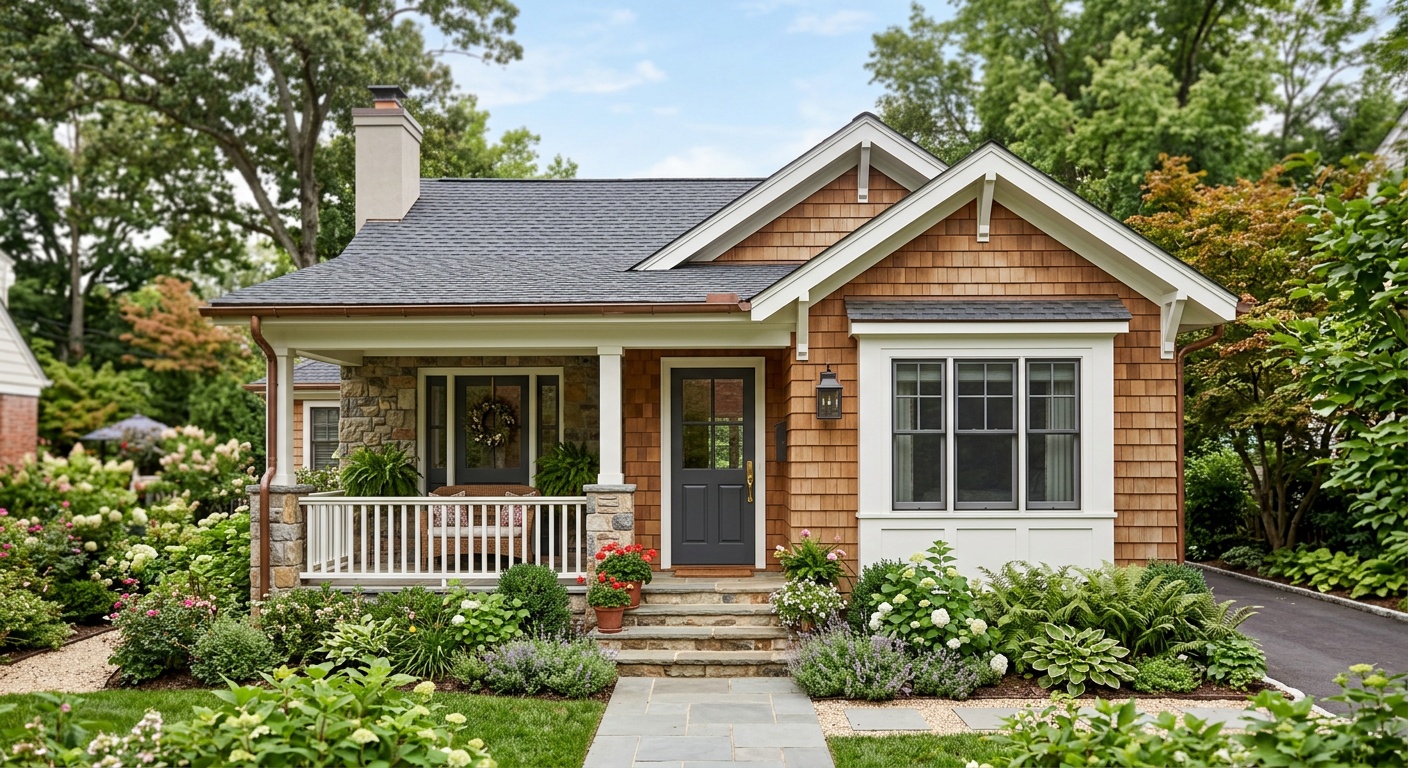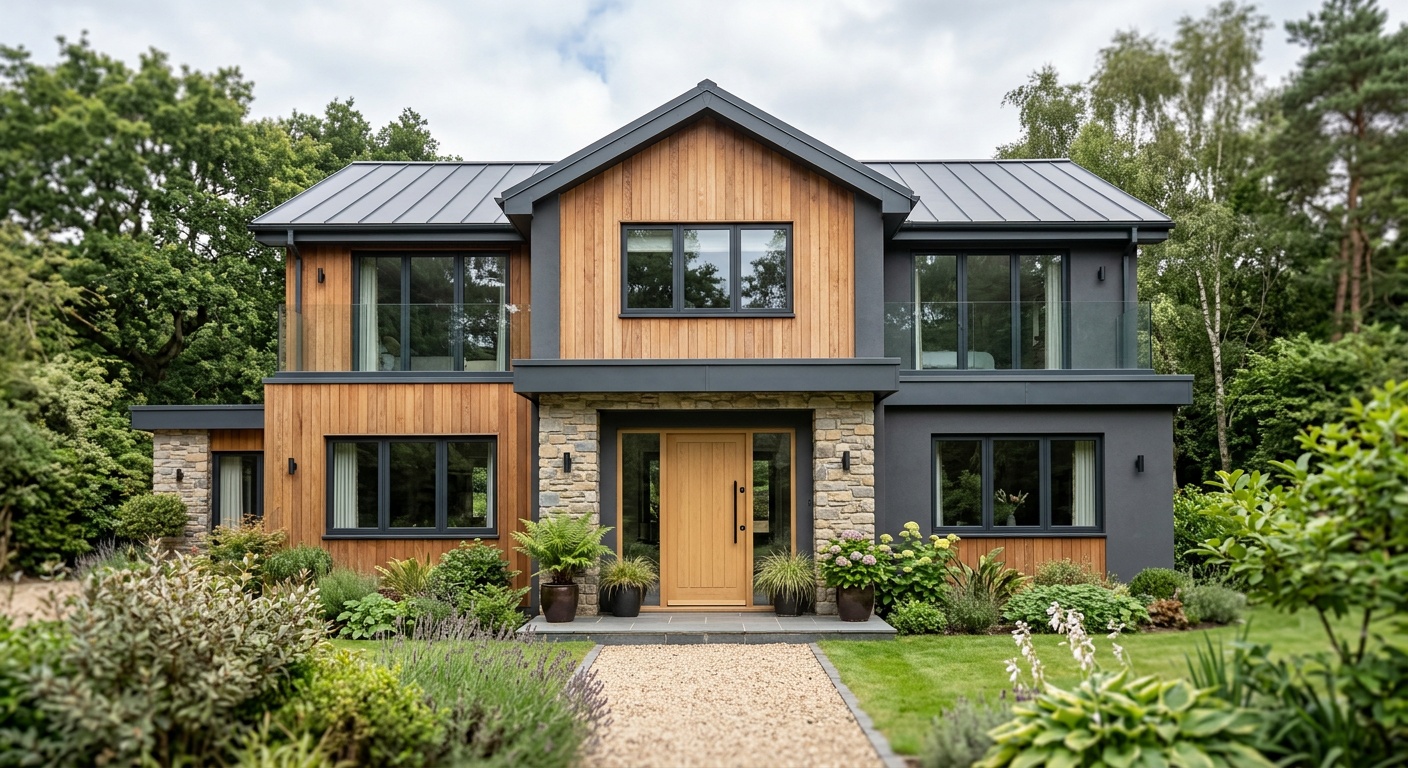
Best Exterior Renovation Ideas to Transform Your Home’s Appearance
Reading time: 14 minutes
Ever pulled into your driveway and felt that sinking feeling — the one where your home’s exterior just doesn’t match the vision you have in your head? You’re not alone. In 2026, exterior home renovation has become one of the most strategically valuable investments a homeowner can make, blending curb appeal with long-term property value and energy efficiency.
Here’s the straight talk: transforming your home’s exterior isn’t about doing everything at once — it’s about identifying the highest-impact changes and executing them with intention. Whether you’re prepping to sell, refreshing after a decade of wear, or simply craving a new look, this guide will walk you through the smartest moves available right now.
“Curb appeal is no longer just aesthetic — it’s a financial strategy. In 2026, homes with updated exteriors sell 18% faster and command up to 12% higher asking prices than comparable properties with dated facades.” — National Association of Realtors, 2026 Home Renovation Trends Report
Table of Contents
- Why Exterior Renovation Matters More in 2026
- Siding Upgrades: The Foundation of Your Transformation
- Roofing Overhauls That Do Double Duty
- Windows, Doors, and Entry Points
- Strategic Landscaping and Hardscaping
- Exterior Lighting: The Underrated Game-Changer
- Driveways and Pathways
- Renovation ROI: Comparative Overview
- Common Challenges and How to Overcome Them
- FAQs
- Your Exterior Transformation Roadmap
Why Exterior Renovation Matters More in 2026
The exterior renovation market in the United States reached an estimated $68.4 billion in 2025, with projections showing continued growth through 2027. Why the surge? A combination of aging housing stock, increased remote work driving homeowner investment, and rising material technology has made now the ideal time to renovate your home’s exterior.
Think about it this way: your home’s exterior is the first impression it makes — on neighbors, potential buyers, guests, and frankly, on yourself every single day. Neglecting it doesn’t just hurt aesthetics; it leads to structural degradation, higher energy bills, and diminished property value.
In 2026, three forces are shaping exterior renovation decisions:
- Sustainability demands: Green materials and energy-efficient upgrades are now standard expectations, not premium add-ons.
- Smart home integration: Exterior renovations increasingly include tech-enabled elements like smart lighting, automated irrigation, and solar-integrated roofing.
- Aesthetic evolution: Design trends have shifted toward warmer tones, mixed textures, and natural-looking materials that blend contemporary lines with organic warmth.
Siding Upgrades: The Foundation of Your Transformation
If your home’s siding is cracked, faded, or simply dated, no amount of landscaping or lighting will save the overall look. Siding replacement or refinishing consistently ranks among the top three highest-ROI exterior projects, returning an average of 76–82% of costs upon resale according to Remodeling Magazine’s 2026 Cost vs. Value Report.
Fiber Cement vs. Vinyl vs. Wood: Choosing the Right Material
The siding material debate is real, and the right answer depends heavily on your climate, budget, and aesthetic goals. Here’s a quick breakdown:
- Fiber Cement (e.g., James Hardie): In 2026, fiber cement remains the dominant choice for mid-to-high-end renovations. It’s fire-resistant, rot-proof, and holds paint exceptionally well. Expect costs ranging from $10–$16 per square foot installed.
- Engineered Wood: A growing favorite in 2026, engineered wood offers genuine warmth and texture at a lower price point than real wood. Brands like LP SmartSide have improved dramatically in moisture resistance.
- Vinyl: Still the most affordable option at $4–$8 per square foot installed, but lower-end vinyl can look cheap. Premium insulated vinyl, however, offers solid performance and improved aesthetics.
- Natural Wood: Beautiful but demanding. Cedar and redwood require regular sealing and are vulnerable to moisture and pests. Best for homeowners committed to maintenance.
Color Trends Defining 2026
Color choices in 2026 have moved away from the stark grays and whites that dominated the early 2020s. The dominant palette now features:
- Warm terracotta and sage green combinations
- Deep charcoal with warm wood accent trim
- Earthy clay tones paired with black architectural detailing
- Off-white and cream tones replacing pure white as the “neutral” standard
Quick Scenario: Imagine you own a 1990s colonial-style home with pale beige vinyl siding. Replacing it with deep sage fiber cement and adding crisp white trim immediately elevates the entire facade, adding visual depth and modern character. This single change can increase perceived home value by $15,000–$25,000 in most markets.
Roofing Overhauls That Do Double Duty
Your roof is both a visual anchor and a functional necessity. In 2026, roofing technology has advanced to a point where your choices extend well beyond basic shingles. The rise of solar-integrated roofing systems means your roof can now generate energy while enhancing aesthetics.
Architectural asphalt shingles remain the most cost-effective solution, typically running $8,000–$14,000 for a standard 2,000-square-foot home. However, metal roofing — particularly standing seam steel and aluminum — has surged in popularity, offering 50-year lifespans and a sleek modern appearance that complements contemporary exterior designs.
For homeowners considering the long game, solar roof tiles (like Tesla’s Solar Roof or newer competitors entering the 2026 market) offer a dual investment: curb appeal improvement and energy cost reduction. According to EnergySage data from 2025, homeowners with solar roof installations reduce electricity bills by 60–90% annually, with full ROI typically achieved in 8–12 years.
Pro Tip: Before replacing your entire roof for aesthetics alone, ensure your structural underlayment and insulation are properly addressed during the project. Cosmetic roofing over inadequate insulation is a costly missed opportunity.
Windows, Doors, and Entry Points
Windows and doors are where aesthetics and energy efficiency collide most directly. Replacing outdated single-pane windows with triple-pane, low-E coated windows doesn’t just modernize your home’s look — it can cut heating and cooling costs by 25–30%.
The Front Door: Your Home’s Handshake
If there’s one single exterior element that delivers disproportionate visual impact relative to cost, it’s the front door. A premium steel or fiberglass entry door replacement averages $2,000–$4,500 installed and consistently returns 65–80% of its cost at resale — plus the immediate daily satisfaction of a stunning entryway.
In 2026, front door trends lean toward:
- Bold colors (deep navy, forest green, burnt orange) as statement focal points
- Pivot-style doors for contemporary homes
- Smart lock integration as a standard expectation
- Sidelights and transom windows to maximize natural light in entryways
Case Study — The Martinez Home, Austin TX (2025): A homeowner replaced a dated wooden entry door with a modern steel door in deep navy, added sidelights, and installed smart locks. Total cost: $3,800. Result: Neighbors commented on the transformation, and the home sold six months later for $22,000 above initial appraisal — with real estate agents specifically citing the entry as a major selling point.
Window Shutters and Architectural Trim
Don’t underestimate the power of window shutters and trim details. Composite shutters in contrasting colors, updated window surrounds, and decorative corbels or brackets can add architectural richness to an otherwise flat facade for a relatively modest investment of $2,000–$6,000 depending on home size.
Strategic Landscaping and Hardscaping
Landscaping and hardscaping together form the living frame around your home’s architecture. According to the American Society of Landscape Architects, well-executed landscaping increases property value by 5–15%, with mature, thoughtfully designed plantings at the higher end of that range.
The key word here is strategic. Overgrown, chaotic landscaping can actually hurt curb appeal more than no landscaping at all. The 2026 approach favors:
- Low-maintenance native plantings: Drought-resistant native species reduce water consumption and maintenance costs while providing year-round visual interest.
- Defined garden beds with clean edging: Sharp, clean edges between lawn and garden beds signal intentional design and meticulous upkeep.
- Hardscaping features: Stone retaining walls, decorative boulders, pavers, and raised planters add structure and permanence.
- Privacy screening: Strategic placement of tall ornamental grasses, bamboo, or evergreen shrubs creates natural privacy without the expense of fencing.
For hardscaping specifically, permeable paver systems have become a preferred choice in 2026, addressing both aesthetic and environmental concerns. They offer the clean look of traditional pavers while allowing rainwater to percolate naturally, reducing runoff.
Exterior Lighting: The Underrated Game-Changer
Here’s a truth most homeowners overlook: exterior lighting can completely reinvent your home’s appearance after dark, essentially giving you two distinct visual identities — one for daytime, one for evening.
Modern exterior lighting design in 2026 falls into three strategic categories:
- Architectural accent lighting: Uplighting facades, gables, and columns with LED wash fixtures creates dramatic depth and shadow play.
- Pathway and landscape lighting: Low-voltage LED fixtures defining walkways, driveways, and garden beds add safety and visual elegance simultaneously.
- Functional statement fixtures: Wall-mounted lanterns, pendant lights over covered porches, and garage lights in bold black or antique bronze finishes serve as jewelry on the home’s exterior.
The investment is modest relative to impact. A comprehensive exterior lighting upgrade typically runs $1,500–$5,000 installed, with solar-powered options reducing that range further. Smart lighting systems, controllable via app and programmable for seasonal schedules, now cost approximately 15–20% more than traditional systems but offer exceptional convenience.
Pro Tip: Warm white LED bulbs (2700K–3000K color temperature) are universally flattering on exterior materials, whereas cool white or daylight bulbs can make stone and brick look harsh and uninviting.
Driveways and Pathways
Your driveway is the welcome mat to your entire property, yet it’s one of the most chronically neglected exterior elements. Cracked, stained, or overgrown concrete driveways signal neglect regardless of how beautiful the rest of your exterior is.
In 2026, popular driveway renovation approaches include:
- Exposed aggregate concrete: Offers texture and slip resistance while looking far more refined than standard poured concrete.
- Asphalt with decorative borders: Cost-effective base material with added visual interest through concrete or paver border detailing.
- Full paver installations: Brick, cobblestone, or modern porcelain pavers create a genuinely premium impression. Cost ranges from $12–$25 per square foot installed.
- Resurfacing overlays: For structurally sound driveways that simply look tired, decorative concrete overlays with stamped patterns offer dramatic transformation at a fraction of replacement cost.
Renovation ROI: Comparative Overview
Understanding where your renovation dollars deliver the best return is critical before committing to any project. The table below summarizes average costs, ROI percentages, and visual impact ratings based on 2026 market data.
| Renovation Project | Avg. Cost (USD) | Avg. ROI % | Visual Impact | Difficulty Level |
|---|---|---|---|---|
| Fiber Cement Siding Replacement | $18,000–$35,000 | 78% | ⭐⭐⭐⭐⭐ | High |
| Front Door Replacement | $2,000–$4,500 | 72% | ⭐⭐⭐⭐⭐ | Low |
| Window Replacement (Triple-Pane) | $8,000–$20,000 | 68% | ⭐⭐⭐⭐ | Medium |
| Landscaping & Hardscaping | $5,000–$25,000 | 100%+ | ⭐⭐⭐⭐⭐ | Medium |
| Exterior Lighting System | $1,500–$5,000 | 55% | ⭐⭐⭐⭐ | Low |
Visual ROI Comparison: Average Return on Investment by Project
Common Challenges and How to Overcome Them
Challenge 1: Budget Overruns and Scope Creep
The most common obstacle in exterior renovation isn’t choosing the wrong material — it’s watching a well-planned $15,000 project balloon to $25,000 because of undiscovered rot, structural issues, or compulsive additions mid-project.
Solution: Build a 15–20% contingency buffer into every exterior renovation budget. Before any work begins, have a qualified contractor conduct a thorough structural inspection to surface hidden issues. Agree on a written change-order process before the project starts so that any scope additions are formally approved with cost implications understood upfront.
Challenge 2: HOA Restrictions and Municipal Permits
In 2026, approximately 74 million Americans live in HOA-governed communities, according to the Community Associations Institute. Many exterior renovation choices — siding colors, fence styles, solar installations — require HOA approval or municipal permits that can delay projects by weeks or months.
Solution: Submit your renovation plans to your HOA and local building department before hiring contractors or ordering materials. Many municipalities now offer online permit portals that significantly speed up approval timelines. If your HOA denies a request, review their architectural guidelines carefully — most have formal appeal processes, and reasonable renovation requests are frequently approved on appeal with minor modifications.
Challenge 3: Contractor Quality and Vetting
The exterior renovation industry continues to be plagued by unlicensed contractors, particularly after storm seasons or economic downturns. Choosing the wrong contractor is the single biggest risk factor for a failed renovation project.
Solution: Verify state licensing, insurance (liability and workers’ comp), and Better Business Bureau status before accepting any bid. Request three recent references and actually call them. In 2026, platforms like Houzz Pro, Angi, and BuildZoom offer verified contractor profiles with project histories and license verification integration. Never accept the lowest bid without understanding why it’s lower — it almost always reflects a hidden cost or compromise.
Frequently Asked Questions
What is the single most impactful exterior renovation for resale value?
If budget is limited and resale is the priority, professional exterior painting or siding refinishing combined with a front door replacement delivers the best combined return. These two projects together typically cost $5,000–$12,000 and create a dramatically refreshed first impression. According to the 2026 Cost vs. Value Report, exterior painting alone returns approximately 51% of its cost at resale, but more importantly, it dramatically reduces the number of days a home sits on the market by improving buyer interest before they even step inside.
How do I choose between renovating multiple elements versus focusing on one major project?
The strategic approach in 2026 depends on your timeline and goals. If you’re planning to sell within 12–18 months, focus on the highest-visibility, highest-ROI projects: siding, entry door, and landscaping. If you’re planning to stay long-term, prioritize projects that combine aesthetics with functional improvements — like window replacement or solar roofing — where you’ll personally benefit from energy savings over time. The key mistake to avoid is spreading a limited budget too thin across many mediocre upgrades rather than executing two or three projects exceptionally well.
Are there exterior renovation projects I can realistically DIY in 2026?
Absolutely — and the expanding range of quality DIY-grade products available in 2026 makes this more accessible than ever. Realistic DIY exterior projects include exterior repainting (with appropriate surface prep), installing pathway lighting, replacing exterior light fixtures, adding decorative shutters or window boxes, power washing, and simple landscaping improvements. Projects that almost always require professionals include siding replacement, roofing, window installation, and any work requiring structural modifications or electrical connections. The cost savings on true DIY projects can be substantial — typically 40–60% compared to professional quotes — but only when executed properly with the right materials and preparation.
Your Exterior Transformation Roadmap: Next Steps
You’ve now got a comprehensive picture of what exterior renovation can look like in 2026. But knowledge alone doesn’t transform homes — action does. Here’s your practical roadmap to turn these ideas into reality:
- Conduct your exterior audit (Week 1): Walk around your home with fresh eyes — or better yet, photograph it and review the images objectively. Identify the three most visually prominent pain points. This is your priority list.
- Set your budget with contingency included (Week 1–2): Determine your total renovation budget and confirm that 15–20% is reserved as contingency. Use the ROI table above to allocate funds toward highest-impact projects first.
- Research HOA requirements and permits (Week 2–3): Before falling in love with a specific material or color, verify it’s permitted in your community. This step prevents expensive mid-project reversals.
- Gather three competitive contractor quotes (Week 3–5): For any project above $3,000, obtain three fully itemized quotes. Compare not just price but scope, timeline, material brands, and warranty terms.
- Phase your renovation strategically: If doing multiple projects, begin with structural or weather-protective work (roofing, siding, windows) before cosmetic projects (lighting, landscaping, paint). Building the envelope first ensures cosmetic work isn’t damaged by ongoing structural issues.
The exterior renovation landscape in 2026 is richer in options, smarter in technology, and more aligned with long-term sustainability than ever before. Homeowners who approach it strategically — rather than impulsively — are consistently those who achieve both the look they envisioned and the financial return they deserve.
Here’s the question worth sitting with: Five years from now, will you look at your home’s exterior and see the result of intentional, value-driven decisions — or another round of “I wish I had done this sooner?” The best time to start your transformation is the moment you realize it matters to you.
Your home’s exterior is more than walls and windows — it’s your statement to the world about how you inhabit your space. Make it count.