Seasonal Exterior Cleaning Schedule Every Homeowner Should Follow
Reading time: 12 minutes
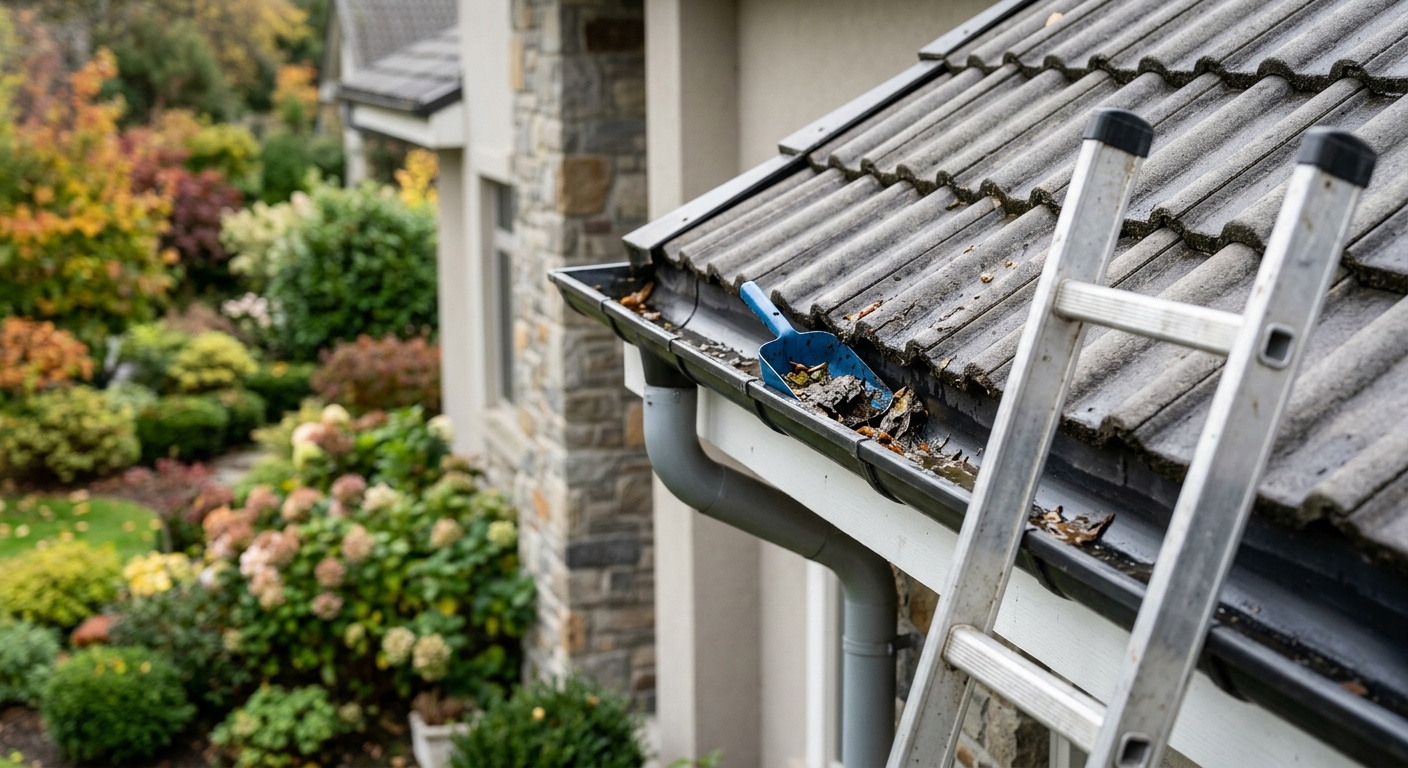
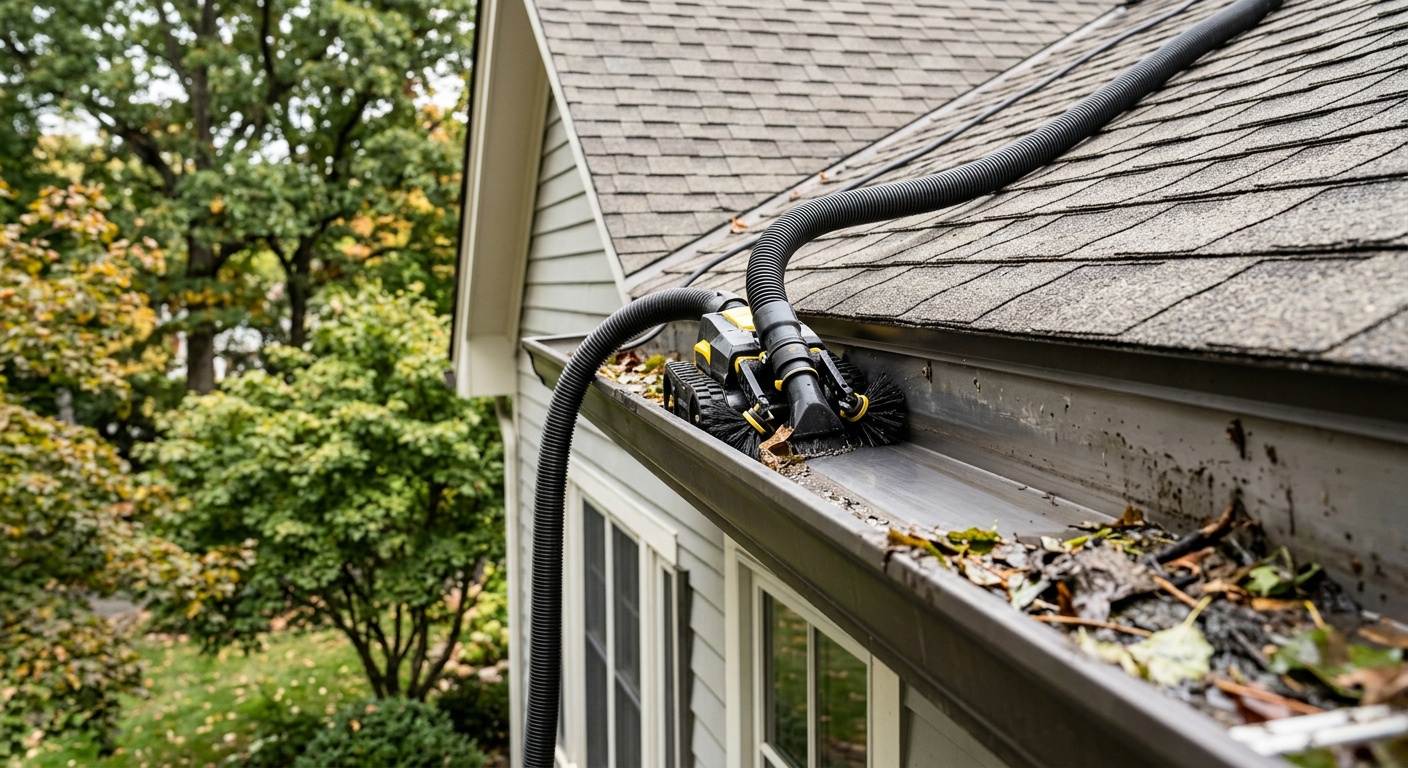
Ever looked at your home’s exterior after a long winter and thought, “Where do I even begin?” You’re not alone. Most homeowners understand that cleaning the outside of their home matters — but few have a systematic, season-by-season game plan that actually works. The result? Premature siding damage, clogged gutters causing water intrusion, and curb appeal that slowly erodes year after year.
Here’s the straight talk: exterior home maintenance isn’t glamorous, but it’s one of the highest-ROI habits you can build as a homeowner. According to a 2025 HomeAdvisor report, homeowners who follow a regular exterior cleaning schedule spend an average of 40% less on major repairs over a 10-year period compared to those who clean reactively. That’s not a small number when you factor in that exterior repairs in 2026 average between $2,500 and $18,000 depending on the issue.
This guide breaks it all down — season by season, surface by surface — so you can protect your investment, boost your home’s curb appeal, and never feel overwhelmed by where to start again.
Table of Contents
- Why a Seasonal Schedule Changes Everything
- Spring: The Deep Reset
- Summer: Maintenance Mode
- Fall: Protecting Before the Storm
- Winter: Light Monitoring and Spot Care
- Seasonal Task Comparison Table
- Cleaning Priority Chart by Surface
- 3 Common Exterior Cleaning Challenges (and How to Beat Them)
- Frequently Asked Questions
- Your Year-Round Home Protection Roadmap
Why a Seasonal Schedule Changes Everything
Think of your home’s exterior the way a mechanic thinks about a car. Skipping oil changes doesn’t cause immediate engine failure — but the damage compounds quietly until one day you’re facing a $4,000 repair instead of a $60 maintenance visit. The same logic applies to your roof, gutters, siding, driveway, and deck.
A seasonal schedule works because it aligns your cleaning tasks with the natural rhythm of weather patterns. Each season deposits different types of grime, moisture, and organic matter. Spring brings pollen and post-winter mold. Summer bakes on bird droppings, algae, and UV-degraded sealants. Fall dumps leaves, tannins, and moisture into gutters and crevices. Winter accelerates ice damming and freeze-thaw cracking.
When you clean in alignment with these cycles rather than against them, you’re working smarter — not harder.
The Financial Case for Regular Exterior Cleaning
A 2026 study by the National Association of Realtors found that homes with consistently maintained exteriors sell for an average of 7–14% more than comparable homes with visible neglect. On a $400,000 home, that’s potentially $28,000–$56,000 in added value simply from showing up consistently with a pressure washer and a schedule.
Beyond resale, consider the preventive math. A gutter cleaning session costs $100–$250 professionally. A gutter-related water intrusion repair to interior walls, flooring, and framing? Easily $8,000 to $15,000. One hour of attention in spring and fall eliminates that risk almost entirely.
What “Seasonal Cleaning” Actually Covers
Many homeowners confuse exterior cleaning with a once-a-year pressure washing session. True seasonal maintenance is broader and includes:
- Gutters and downspouts — debris removal and flow testing
- Siding — washing, mold/mildew inspection, and caulk checks
- Roof surface — moss treatment, debris clearance, and shingle inspection
- Driveways and walkways — pressure washing, crack sealing, and ice melt residue removal
- Decks and patios — cleaning, staining, and structural inspection
- Windows (exterior) — washing frames, sills, and glass
- Fences and gates — cleaning, wood treatment, or rust prevention
- HVAC units and vents — clearing debris from air intakes and exhaust vents
Spring: The Deep Reset
Spring is the most critical exterior cleaning season — full stop. After months of freezing temperatures, ice, salt, moisture, and debris accumulation, your home’s surfaces need a comprehensive assessment and clean. Think of spring as your “damage report” season combined with your fresh start.
The ideal window: Mid-March through early May in most U.S. regions (adjust for your climate zone). You want temperatures consistently above 50°F and past the final freeze risk before starting water-based work.
Spring Priority Checklist
- ✅ Clean gutters and flush downspouts — Remove winter debris and test water flow. Look for sagging sections or separated joints caused by ice weight.
- ✅ Inspect and wash siding — Use a low-pressure washer or a siding-safe cleaning solution. Pay special attention to north-facing walls where mold and mildew thrive after winter moisture.
- ✅ Check roof for winter damage — Look for lifted, cracked, or missing shingles from snow weight and ice dams. Clear any debris from valleys and around chimney flashing.
- ✅ Pressure wash driveway and walkways — Winter salt and ice melt products leave corrosive residue. A thorough wash prevents accelerated concrete and asphalt degradation.
- ✅ Inspect deck and patio surfaces — Check for frost heave damage, popped fasteners, splintered boards, and mold growth. Power wash with a deck-appropriate solution.
- ✅ Clean exterior windows — Winter grime is stubborn. Use a squeegee and window-specific cleaning solution. Inspect frames and sills for rot or seal failure.
- ✅ Check foundation perimeter — Clear debris and vegetation from the foundation. Inspect for new cracks and ensure grading still slopes away from the home.
Case Study — The Morrison Home, Portland, OR (2025): After a particularly harsh winter, the Morrisons discovered during their spring sweep that a downspout had separated from the gutter. Water had been channeling directly against their foundation siding for an estimated 3 months. Caught in spring, the fix was a $180 professional gutter repair. Left undetected another season, the wood rot had the potential to escalate into a $6,500 repair job. Early detection saved the day.
Summer: Maintenance Mode
Summer isn’t your heavy-lifting season — spring handled that. But summer introduces its own set of exterior threats: UV degradation, algae and mildew growth accelerated by heat and humidity, pest activity, and baked-on organic matter from birds, insects, and tree sap.
The ideal window: June through August. Aim for morning or early evening to avoid cleaning surfaces under direct peak sun, which can cause streaking and premature drying of cleaning solutions.
Summer Priority Checklist
- ✅ Spot-clean siding — Focus on areas near trees, under eaves (bird activity), and anywhere you notice algae starting to take hold. A garden hose with a cleaning attachment handles most summer buildup without a full pressure wash.
- ✅ Re-apply deck sealant or stain (if needed) — UV rays are the number one enemy of wood decks. If last year’s sealing was more than 18 months ago or water no longer beads on the surface, it’s time to re-coat.
- ✅ Clear vegetation from home contact points — Vines, overgrown shrubs, and branches touching your siding or roof create moisture traps and accelerate rot and mold. Trim back a minimum 12-inch clearance from all surfaces.
- ✅ Check and clean HVAC exterior units — Remove grass clippings, cottonwood fluff, and debris from the fins. A clean condenser operates up to 15% more efficiently, directly impacting your energy bills.
- ✅ Inspect and clean window wells and drainage areas — Summer storms can overwhelm window wells. Clear debris and confirm drains are functional before heavy rain season peaks.
Pro Tip: Summer is the perfect time to address small caulking failures around windows, doors, and where siding meets trim. A $6 tube of exterior caulk applied on a dry summer afternoon prevents hundreds of dollars in water infiltration damage when fall rains arrive.
Fall: Protecting Before the Storm
If spring is about assessment and recovery, fall is about prevention and armor. Everything you do in the fall is about ensuring your home survives winter with the least damage possible. Skipping fall prep is a bit like going into a harsh winter without a coat — technically you’ll survive, but the consequences compound.
The ideal window: October through early December (after leaves have fully dropped in your region but before ground freeze).
Fall Priority Checklist
- ✅ Final gutter clean of the year — Wait until leaves have fully dropped, then do your most thorough gutter cleaning. Pack downspout extensions away from the foundation. This single task prevents ice damming, basement flooding, and fascia rot more than any other fall job.
- ✅ Inspect and treat roof for moss and algae — Apply a zinc-sulfate or copper-based moss treatment before winter. These spread with rainfall and kill moss during the wet months, preventing freeze-thaw damage to shingles.
- ✅ Pressure wash hardscapes before freeze — Clean driveways, walkways, and patios before the first freeze. Organic matter trapped in cracks accelerates freeze-thaw cracking. Seal any new cracks after washing.
- ✅ Winterize outdoor faucets and irrigation — Clear lines and clean the external hose bib area of debris and any residual dirt before frost.
- ✅ Clean and store patio furniture and accessories — Wash patio furniture before storage. Mold and mildew established over winter are much harder to remove in spring.
- ✅ Inspect garage door exterior — Clean the door surface, check weatherstripping integrity, and clear the drainage channel at the base.
- ✅ Inspect chimney and fireplace exterior — Clear debris from the chimney cap, check flashing seal, and ensure the crown hasn’t cracked from summer heat.
Case Study — The Nguyen Family, Minneapolis, MN (2025): First-time homeowners who skipped their fall gutter clean in their first year. By February 2026, an ice dam had formed over their back addition’s low-slope roof. Water backed up under shingles, saturated the insulation, and created visible water staining on the interior ceiling. Remediation including roof repair, insulation replacement, and drywall repair totaled $11,200. Their insurance deductible was $2,500 — and their premium increased at renewal. One fall gutter cleaning would have cost them $175.
Winter: Light Monitoring and Spot Care
Winter is not a full cleaning season — it’s a monitoring and damage-control season. Heavy exterior cleaning in freezing temperatures is both ineffective and potentially damaging. However, proactive winter monitoring prevents small problems from becoming expensive spring discoveries.
Focus areas for winter:
- ✅ Monitor gutters for ice dam formation after freeze-thaw cycles. If dams form despite fall prep, use a roof rake to clear snow load from the lower 4–6 feet of roof (from ground level only — never climb a snow-covered roof).
- ✅ Clear salt and ice melt from entry areas promptly to prevent concrete and masonry staining or spalling. Use calcium chloride rather than sodium chloride where possible — it’s less corrosive to concrete.
- ✅ Check exterior vents periodically — Dryer vents, bathroom exhaust vents, and combustion air intakes can become blocked by snow or ice. A blocked dryer vent is a fire risk; a blocked combustion air intake is a carbon monoxide risk.
- ✅ Inspect after major storms — Walk your property’s perimeter after significant snow or wind events. Look for displaced roof materials, fallen branches on the roof, and signs of water intrusion around windows and doors.
Seasonal Task Comparison Table
| Surface / System | Spring | Summer | Fall | Winter |
|---|---|---|---|---|
| Gutters & Downspouts | Full Clean | Spot Check | Full Clean | Monitor |
| Siding | Full Wash | Spot Wash | Inspect | Monitor |
| Roof | Inspect | Monitor | Treat | Monitor |
| Driveway / Walkways | Pressure Wash | Spot Clean | Wash & Seal | Clear Ice |
| Deck / Patio | Wash & Inspect | Seal/Stain | Clean & Store | Monitor |
High Priority Medium Priority Light Monitoring
Cleaning Priority Chart by Surface
Based on 2025–2026 contractor data, here’s how exterior cleaning tasks rank by their impact on preventing costly repairs:
Gutters & Downspouts
Siding (Mold/Mildew Prevention)
Roof Debris & Moss Treatment
Driveway Crack Sealing
Deck Sealing & Staining
Impact percentages reflect likelihood of preventing a repair costing over $1,000 when task is completed on schedule. Source: HomeAdvisor Contractor Survey, 2025.
3 Common Exterior Cleaning Challenges (and How to Beat Them)
Challenge 1: Stubborn Mold and Mildew on Siding
North-facing walls and areas shaded by large trees are mold hotspots. Many homeowners make the mistake of pressure washing at high PSI to remove mold, which can actually drive moisture deeper into wood siding and damage vinyl siding’s surface integrity.
The better approach: Use a soft-wash technique — low pressure with a cleaning solution containing sodium hypochlorite at a diluted concentration (around 1–3%) or a commercial product like Wet & Forget. Apply, let dwell for 10–15 minutes, and rinse at low pressure. This kills the mold at the root rather than just displacing it visually. For vinyl siding, this approach is both safer and more effective than high-pressure blasting.
Prevention going forward: Trim vegetation creating shade on siding, ensure proper grading so water doesn’t splash back onto lower courses, and consider a zinc strip installed near the roof ridge — zinc ions wash down with rain and inhibit algae and mold growth across the entire roof and upper siding.
Challenge 2: Driveway Stains and Cracking
Oil stains, rust from fertilizer spreaders, and tire marks are the bane of concrete driveways. Standard pressure washing rarely removes them completely, which frustrates homeowners into over-pressurizing — which actually opens the concrete’s pores and accelerates future staining.
The better approach: Pre-treat oil stains with a concrete degreaser or a paste of baking soda and dish soap (let sit 30 minutes before scrubbing). For rust stains, use oxalic acid-based rust removers. For tire marks, a commercial tarmac/concrete cleaner with citrus degreaser is your friend. Then pressure wash. After cleaning and allowing the surface to fully dry (48–72 hours), apply a penetrating concrete sealer — this is the step most homeowners skip. Sealing prevents future staining by closing those pores.
Challenge 3: Keeping Up with the Schedule
The most common reason exterior cleaning falls behind isn’t lack of knowledge — it’s lack of system. Life gets busy, and without a trigger, tasks slip from month to month until a full year has passed.
The better approach: Tie exterior cleaning tasks to existing calendar anchors. Spring cleaning starts the first weekend after daylight saving time begins. Fall cleaning starts the first weekend after Halloween (leaves have largely dropped in most regions by then). Set a recurring calendar event in your phone — seriously, it takes 2 minutes and eliminates the “I’ll do it next weekend” spiral. Consider also joining a neighborhood accountability group or using a home maintenance app like HomeZada or Centriq (both updated for 2026 compatibility) to track completed tasks and get seasonal reminders.
Frequently Asked Questions
How often should I pressure wash my home’s exterior?
For most homes, a thorough exterior pressure wash once a year — ideally in spring — is sufficient. Homes in humid climates, those surrounded by trees, or those with vinyl or fiber cement siding prone to algae may benefit from twice-yearly washing (spring and fall). Avoid pressure washing in temperatures below 40°F, as water in cracks will freeze and worsen the damage. Always use the appropriate PSI for your surface: vinyl siding should never exceed 1,500 PSI, while concrete driveways can handle 2,500–3,000 PSI.
Should I hire professionals or do exterior cleaning myself?
It genuinely depends on the task. Gutter cleaning and window washing are DIY-accessible for most single-story homes with a basic extension ladder and safety awareness. Roof work — including debris clearing, moss treatment, and any inspection above the first-floor roofline — is best left to professionals due to fall risk. Pressure washing is a middle ground: renting a pressure washer ($60–$100/day) is cost-effective for driveways and patios, but professional soft-wash services often deliver superior results on siding and roofs for a few hundred dollars. In 2026, professional exterior cleaning costs range from $250–$700 for a full-home wash depending on home size and region.
What’s the single most important exterior cleaning task I can do?
Hands down: clean your gutters. Every major exterior damage scenario — foundation water intrusion, ice dams, fascia rot, basement flooding, and landscaping erosion — can be traced back to gutters that weren’t properly maintained. If you only do one exterior cleaning task per season, make it gutters. Clean them thoroughly in spring after the last freeze and again in fall after the last leaves drop. Install gutter guards if you have significant tree coverage — modern micro-mesh designs in 2026 have dramatically improved from earlier generations and can reduce cleaning frequency by 70–80%.
Your Year-Round Home Protection Roadmap
You’ve now got the full picture — not just a vague suggestion to “clean your home exterior” but a precise, season-by-season action plan tied to real outcomes and real consequences. Let’s bring it all together into your immediate action plan.
Your 5-Step Implementation Roadmap
- Audit your current state (this week): Walk the full perimeter of your home and honestly assess what’s been done and what’s been deferred. Take photos of any areas of concern — mold on siding, cracked caulk, sagging gutters, moss on the roof. These become your priority list.
- Set your seasonal calendar anchors (this month): Right now, set four recurring calendar events — Spring Clean (mid-March), Summer Check-In (early July), Fall Prep (first weekend of November), Winter Monitor (mid-January). Block 3–4 hours per event.
- Assemble your toolkit: A quality garden hose with adjustable spray nozzle, a soft-bristle brush on an extension pole, gutter scoop, basic cleaning solutions (multi-purpose exterior cleaner, concrete degreaser), and safety equipment (non-slip shoes, eye protection). If you don’t own a pressure washer, identify a local rental option.
- Prioritize gutters and siding first: If your schedule is behind, start with gutters — do it this week if they haven’t been cleaned in the last 6 months. Then address any visible mold on siding. These two tasks deliver the highest return on time invested.
- Build in professional support: Identify a reputable local exterior cleaning or gutter service for the tasks you’re not comfortable doing yourself. Get a quote now so you’re not scrambling when the season arrives. In tight contractor markets like 2026, booking in advance pays off.
As climate patterns continue to shift — 2026 data shows increasing frequency of intense freeze-thaw cycles and heavy precipitation events across most of North America — consistent exterior maintenance has become more important, not less. Homes that were built to handle “normal” weather stress are now facing above-average conditions year after year.
Here’s the question worth sitting with: How much of your home’s current condition is a result of intention, and how much is the result of inertia? The good news is that a consistent exterior cleaning schedule doesn’t require enormous effort — it requires showing up a few times a year with a system. That’s something every homeowner can do. Your home is likely your largest financial asset. Treat its maintenance with the same intentionality you’d give any investment that matters.